Explore vaughan top gas fireplace installation for Professional Gas Fireplace Services
Explore vaughan top gas fireplace installation for Professional Gas Fireplace Services
Blog Article
Top-Quality Gas Fireplace Setup for Comfortable Homes
Gas fireplaces improve any home with comfort and sophistication. Correct setup is critical for both security and performance. It involves selecting the appropriate model and ensuring adherence with local codes. Additionally, regular maintenance is necessary for peak performance. As homeowners contemplate this improvement, comprehending the installation process and possible challenges becomes vital. What particular considerations should one keep in mind to achieve a successful installation?
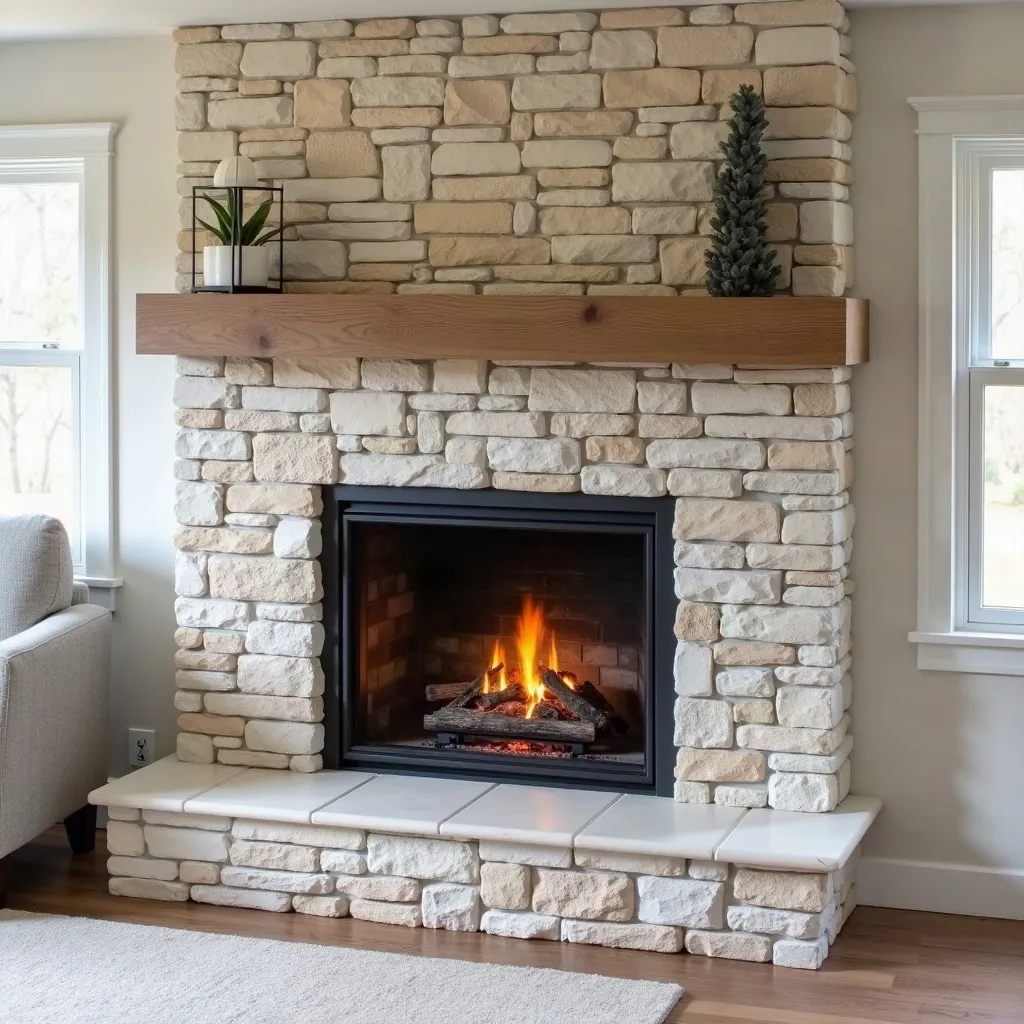
Put in Your Gas Fireplace: A Step-By-Step Guide
A gas fireplace installation can transform a living space, delivering both warmth and ambiance. The initial step includes selecting the appropriate model based on room size and aesthetic preferences. Next, the chosen location must be prepared, ensuring easy access to gas lines and proper ventilation.
Once the site is ready, the technician must secure the fireplace according to manufacturer specifications, ensuring it is level and stable. Attaching the gas supply involves using appropriate fittings and guaranteeing leak-proof seals. After setting up the gas line, the venting system must be put in place, routing exhaust safely outside.
Once the fireplace is set up, the final connections, including the spark ignition, are made. It's essential to conduct a thorough inspection for gas leaks and proper operation. In the end, the fireplace can be tested, allowing the homeowner to enjoy their new source of warmth and style in their family room.
Essential Safety and Placement Considerations for Gas Fireplace Installation
Setting up a gas fireplace requires considering several critical location and safety factors. Adequate air flow, sufficient distance from combustibles, and compliance with local building codes are vital to guarantee safe operation. Overlooking these elements can result in dangerous situations and potential legal issues.
Appropriate Air Exchange Guidelines
Adequate air circulation is vital for ensuring the safe operation of a gas fireplace, as it stops the buildup of harmful gases and preserves indoor air quality. According to professional standards, proper venting systems must be set up to direct exhaust gases outside, successfully reducing any risks linked to carbon monoxide and other pollutants. Homeowners should evaluate the type of venting system—direct vent, B-vent, or vent-free—based on the fireplace model and local building codes. Additionally, adequate air supply to the fireplace is vital; this can be achieved through outside air intakes or guaranteeing adequate interior air circulation. Routine checks and upkeep of the ventilation system are also crucial to maintain peak performance and safety, safeguarding the health of occupants in the home.
Clear the Space From Flammable Items
Guaranteeing proper clearance from combustibles is vital for the proper placement of a gas fireplace. This clearance shields nearby materials from warmth effects, thereby reducing fire dangers. Commonly, manufacturers determine minimum distances that should be observed between the fireplace and combustible materials, such as wood, insulation, and drywall. These provisions change based on the fireplace model and installation type, demanding thorough assessment of the manufacturer's guidelines. Additionally, proper intervals permits for sufficient airflow, which can boost efficiency and performance. Homeowners should also evaluate the room's layout, ensuring that furniture and decor do not encroach upon these safety zones. Following to these clearance standards is crucial for both safety and ideal functionality. guards nearby materials from heat radiation, thereby reducing fire threats. Generally, builders specify minimum distances that should be followed between the fireplace and combustible materials, such as wood, insulation, and drywall. These guidelines vary based on the fireplace model and installation type, compelling thorough inspection of the manufacturer's guidelines. Likewise, proper spacing facilitates for generous airflow, which can enhance efficiency and performance. Homeowners should also consider the room's layout, verifying that furniture and decor do not Observing ample space from combustibles is imperative for the safe installation of a gas fireplace. This clearance protects nearby materials from intense heat exposure, thereby reducing fire perils. Normally, suppliers specify minimum distances that should be upheld between the fireplace and combustible materials, such as wood, insulation, and drywall. These requirements fluctuate based on the fireplace model and installation type, requiring thorough study of the manufacturer's guidelines. Additionally, proper spacing promotes for copious airflow, which can enhance efficiency and performance. Homeowners should also consider the room's layout, guaranteeing that furniture and decor do not encroach these safety zones. Complying to these clearance standards is requisite for both safety and ideal functionality.
Regional Construction Regulations
Local construction codes play an essential role in the safe installation of gas fireplaces, dictating important safety measures and location requirements. These codes assure that installations conform to local safety standards, dealing with factors like venting, gas line installation, and spacing from combustible materials. Observing local codes reduces hazards such as gas leaks and fires, ensuring safety for residents and property alike. It is recommended that homeowners consult local authorities or licensed experts to learn specific requirements in their area. Furthermore, inspections might be required to confirm compliance with these dive in codes. Through adherence to local building codes, homeowners can appreciate the warmth and atmosphere of gas fireplaces while ensuring a safe environment for their families.
Select the Perfect Type of Gas Fireplace
Identifying the correct model of gas fireplace is key for both capability and comfort. Homeowners can decide between sealed and vented options, each displaying distinctive benefits. Furthermore, direct vent fireplaces deliver rewards such as superior efficiency and safeguards, making them a common selection in multiple projects.
Non-vented Versus Traditional vented Alternatives
Picking the suitable gas fireplace type greatly influences comfort and functionality in your home. Ventless gas fireplaces allow for adaptability in installation by not needing a chimney or venting system. They are ideal for smaller spaces or homes without existing venting. However, concerns about indoor air quality and moisture buildup may deter some homeowners. Vented gas fireplaces, by contrast, ensure that combustion gases are safely vented outdoors, creating a cleaner indoor space. They generally have a more traditional design and can provide increased heat output. In the end, the decision between ventless and vented options relies on individual tastes, home architecture, and applicable regulations for gas appliances. Each variant offers unique advantages tailored to different needs.
Direct Vent Positive Aspects
Direct vent gas fireplaces provide a unique set of benefits that may boost both safety and efficiency for home heating. Unlike traditional fireplaces, they pull fresh air from outside for combustion, stopping indoor air pollution and lowering the risk of backdrafts. This design enables for flexible installation options, as they can be vented through walls or roofs, removing the need for a traditional chimney. Additionally, direct vent systems are highly efficient, often achieving greater heat output with less energy consumption. Homeowners value the consistent warmth they provide, alongside the aesthetic appeal of a flickering flame. Overall, choosing a direct vent gas fireplace can significantly improve home comfort while prioritizing safety and energy efficiency.
Understanding the Advantages of Gas Fireplaces
While many property owners appreciate the visual beauty of traditional wood-burning fireplaces, gas-powered fireplaces offer a distinctive combination of ease and performance that makes them an growing favorite choice. One key benefit is their simplicity; gas fireplaces start with the push of a button, eliminating the need for wood or time-consuming preparation. Furthermore, they provide steady warmth, guaranteeing a cozy space without the fluctuations often typical of wood fires.
Gas fireplaces are also more eco-conscious, emitting fewer pollutants compared to their traditional wood-burning alternatives. Maintenance is simpler as well, requiring periodic cleaning rather than the substantial care typical of wood systems. Furthermore, many models come equipped with customizable flame controls, enabling residents to customize their comfort level. Overall, these advantages make gas fireplaces an attractive option for those seeking comfort and atmosphere without the inconvenience of traditional methods.
Get Your Tools and Resources for Installation
When beginning the installation of a gas fireplace, it's important to gather the necessary tools and materials to ensure a smooth process. Critical tools consist of a power drill, level, tape measure, and adjustable wrench, which enable precise measurements and secure fittings. A stud finder can assist in locating wall studs for mounting, while safety glasses and gloves provide protection during installation.
The components needed for the process include the gas fireplace unit itself, proper venting components, gas line fittings, and sealing materials. A pliable gas line is often recommended for ease of installation, paired with a shut-off valve for safety. Additionally, having a fireproof barrier, such as cement board, may be necessary depending on local building codes. By preparing these tools and materials beforehand, the installation process can proceed efficiently, decreasing interruptions and assuring compliance with safety standards.
Gas Fireplace Installation: Typical Mistakes to Prevent
By assembling the essential equipment and supplies for gas fireplace installation, it is necessary to keep aware of typical pitfalls that may interfere with the process. One standard mistake is not carefully reading the manufacturer's instructions completely, which could cause defective installation and hazardous conditions. Likewise, weak air circulation is often missed, causing substandard air quality and risks to your health.
Another common error is failing to check local building codes, which can result in expensive penalties or the need for reinstallation. Improper gas line connections can also create serious safety issues, making it essential to ensure secure fittings.
Ultimately, not performing a test on the fireplace following installation can fail to alert users to gas leaks or operational issues, diminishing safety and performance. By sidestepping these common pitfalls, homeowners can guarantee a dependable and secure gas fireplace installation, boosting comfort in their living spaces.
Maintenance of Your Gas Fireplace for Prolonged Comfort
Regular upkeep is essential for ensuring a gas fireplace operates efficiently and safely over time. Homeowners should book annual inspections with a qualified technician to detect gas leaks, review the venting system, and clean the burners. This preventive care helps to prevent costly repairs and improves safety.
Furthermore, routine maintenance of the glass doors, logs, and surrounding areas is vital. Dust and debris can obstruct airflow and decrease efficiency. Homeowners should also monitor the flame appearance; a yellow or orange flame may indicate an issue needing immediate attention.
Additionally, swapping out batteries in remote controls and verifying that the thermostat works properly adds to a agreeable setting. Observing the pilot light is equally vital; it needs to flame uniformly. Through stressing regular care, homeowners can savor the comfort and atmosphere of their gas fireplace for many years, providing durable comfort in their residential areas.
Regularly Posed Questions
What Is the Typical Cost of Gas Fireplace Installation?
Gas fireplace installation typically runs between $2,000 and $5,000, based on elements like the unit type, installation complexity, and any additional features. Homeowners should obtain multiple quotes to ensure competitive pricing and quality service.
Is it feasible to put in a Gas Fireplace on Your Own?
A gas fireplace can be installed independently but demands competence in plumbing, electrical work, and local building codes. It's optimal to consult with experts to copyright safety standards, functional reliability, and legal compliance during installation.
What Permits Must You Obtain for Gas Fireplace Setup?
For gas fireplace installation, local building permits are generally required, which include plumbing and electrical permits. Regulations differ depending on where you live, so consulting local authorities guarantees compliance with safety requirements and installation guidelines.
How long does the Installation Process Take?
The installation process usually requires 4-8 hours, determined by the level of intricacy and any necessary modifications. Elements including existing infrastructure and local regulations can equally modify the total span of time.
Which Specific Brands Are Advised for Gas Fireplaces?
Several manufacturers are often recommended for gas fireplaces, including Napoleon, Regency, and Vermont Castings. Each offers various styles and features, ensuring homeowners discover a model that matches their aesthetic and functional needs.
Report this page